 English
 العربية

A structured guide to building scalable web applications with real-world examples
📌 Overview
Modern web development requires a disciplined approach to ensure robustness, scalability, and maintainability. This workflow covers 8 critical stages, illustrated with practical examples.
1. 💡 Conceptualization: Defining Your Idea
Goal: Align stakeholders on what, why, and for whom.
✅ Key Actions:
-
Create user personas (e.g., "E-commerce shopper: Needs 1-click checkout")
-
Draft user stories (e.g., "As a user, I want to filter products by price")
-
Prioritize features via MoSCoW method (Must-have/Should-have/Could-have/Won’t-have)
🔹 Example:
An e-commerce MVP must have:
Product catalog
Cart functionality
Stripe/PayPal integration
2. 🏗️ Planning & Architecture
Goal: Choose scalable, cost-effective technologies.
| Component | Options | Selection Criteria |
|---|---|---|
| Frontend | React, Angular, Vue.js | SPAs → React; Enterprise → Angular |
| Backend | Node.js (Express), Django, Laravel | Real-time → Node; CMS → Django |
| Database | PostgreSQL, MongoDB | Relational data → PostgreSQL |
| Hosting | AWS, Vercel, DigitalOcean | Auto-scaling → AWS; Simplicity → Vercel |
🔹 Example:
A CMS starts as a monolith (Django + PostgreSQL), then evolves to microservices for high-traffic blogs.
3. 👨💻 Development Phase
Parallel Tracks:
Frontend (Client-Side)
-
Core: HTML/CSS + JavaScript framework (React recommended)
-
Critical Tools:
-
Figma/Sketch → UI prototyping
-
Tailwind CSS → Rapid styling
-
Axios → API calls
-
Backend (Server-Side)
-
Core: RESTful API/GraphQL
-
Critical Tools:
-
JWT/OAuth → Authentication
-
Redis → Caching
-
WebSockets → Real-time updates
-
🔹 Example:
Social media app:
Frontend: React + Redux for state management
Backend: Node.js + Socket.io for live notifications
4. 🗃️ Database Design
Best Practices:
✔ Normalization (3NF) to minimize redundancy
✔ Indexing for frequent queries (e.g., user_email)
✔ Encryption for sensitive data (e.g., passwords via bcrypt)
🔹 Example:
E-commerce schema:
plaintext
Copy
Download
users (id, name, email*)
products (id, name, price)
orders (id, user_id*, product_id*, status)
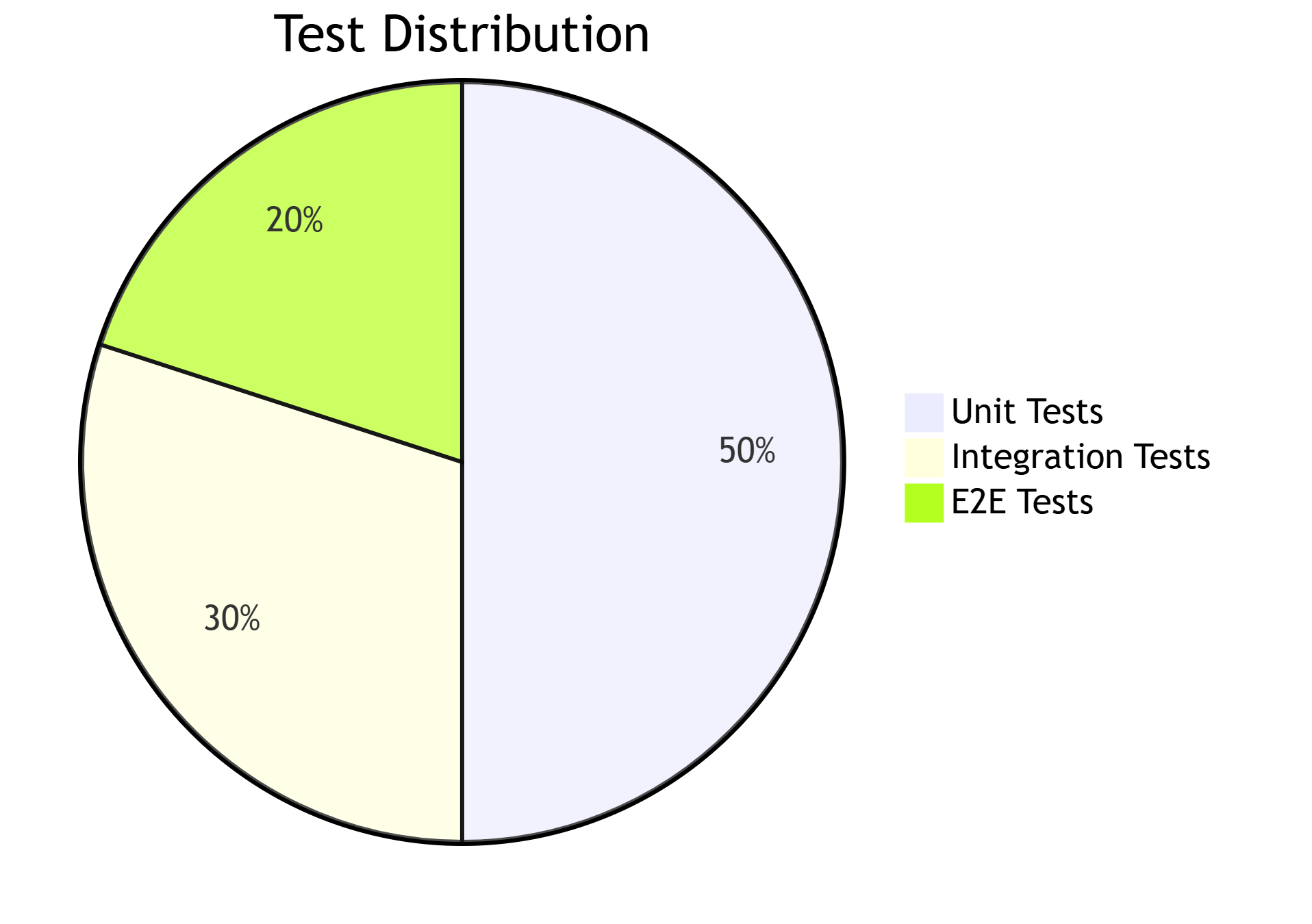
5. 🧪 Testing Pyramid
Automate 80% of tests:
-
Toolchain: Jest (unit), Cypress (E2E), Loader.io (stress testing)
🔹 Example:
Job portal tests:
Unit: "Does resume PDF upload return success status?"
E2E: "Full applicant submission flow"
6. 🚀 Deployment
CI/CD Pipeline:
bash
Copy
Download
git push → GitHub Actions → Build → Dockerize → AWS ECS
Critical Checks:
-
HTTPS (Let’s Encrypt)
-
Firewall (AWS WAF)
-
Monitoring (New Relic APM)
🔹 Example:
Deployment to AWS:
EC2 (App) + RDS (DB) + CloudFront (CDN)
7. 🔍 Monitoring & Maintenance
Key Metrics to Track:
-
Uptime (Prometheus)
-
Error Rates (Sentry)
-
Performance (Lighthouse scores)
🔹 Pro Tip:
Set up automated alerts for:
Server CPU > 80%
5xx errors > 0.1%
8. 📈 Scaling Strategies
| Approach | When to Use | Tools |
|---|---|---|
| Vertical | Sudden CPU spikes | AWS RDS size upgrade |
| Horizontal | Traffic growth | Kubernetes + Auto-scaling |
| Microservices | Complex features | Docker + API Gateway |
🔹 Example:
Video platform scaling:
Transcoding → Separate microservice
CDN → Cloudflare Stream
🎯 Key Takeaways
-
Start small → Validate with MVP before scaling
-
Automate early → Testing + deployments
-
Monitor relentlessly → Catch issues before users do
Add New Comment